
10 Best Metaverse Crypto Projects To Watch Out For in 2023
Everyone has very little or no knowledge about the Metaverse. What does it mean and how does it work? We might not...

Keep your software reliable after launch with ongoing maintenance, monitoring, issue resolution and continuous improvement. Web30 India provides application support across web, mobile, cloud, blockchain and enterprise systems, helping teams manage production issues, technology updates, performance improvements, security fixes and evolving business requirements.












Keep Your Product Reliable as It Evolves
Web30 India provides ongoing engineering support for applications that are already in production. We work with your existing technology stack, understand the application's architecture and establish a practical support model around its operational requirements.
Web30 India designs cloud and DevOps environments around the way your applications are built and operated. We work across cloud architecture, infrastructure automation, containerization, CI/CD, monitoring, security and operational processes to create an environment where development teams can release software more efficiently and operate it with greater visibility.
Our support approach combines proactive monitoring with structured incident management, maintenance and continuous improvement. Operational practices such as observability, defined escalation paths, incident management and post-incident analysis are also recognized as important parts of operating production workloads effectively.
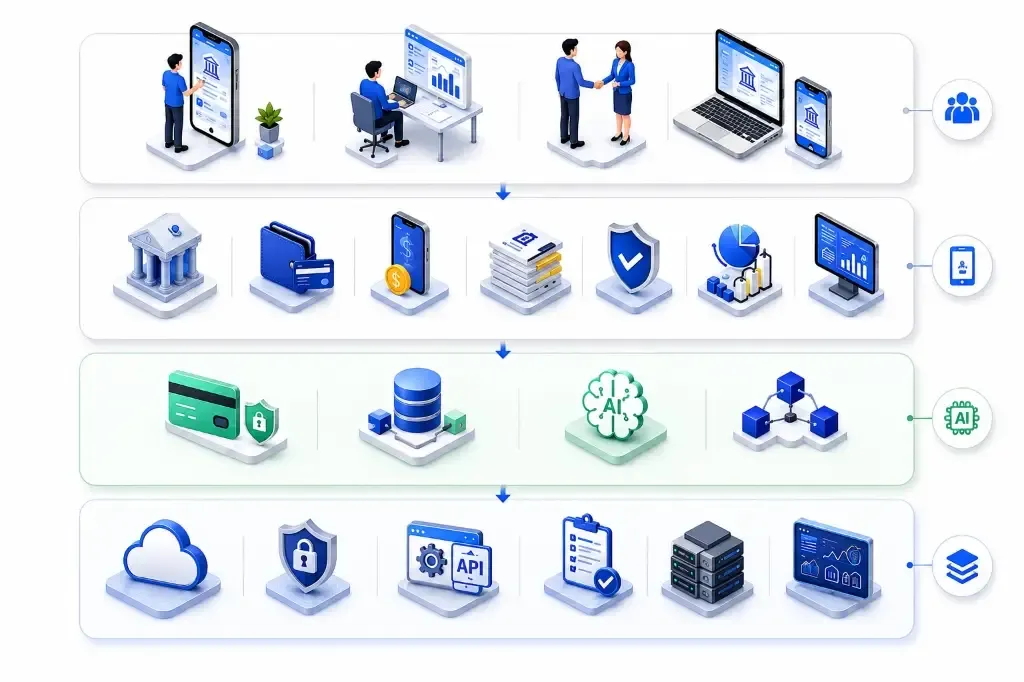
Maintain existing applications, resolve issues and improve functionality without disrupting established workflows.
Investigate and resolve production issues affecting applications, users, integrations or business operations.
Monitor application health, performance, errors and infrastructure signals to identify issues early.
Analyze reported defects, identify root causes and implement tested fixes.
Investigate application bottlenecks and improve application, database, API and infrastructure performance.
Address security issues, dependency updates, configuration changes and application security requirements.
Keep frameworks, libraries, operating systems, databases and supporting technologies aligned with supported versions.
Extend existing applications with new features, integrations, workflows and improvements as business requirements evolve.
Ongoing support for functional issues, defects, errors and unexpected application behavior.
Monitor production systems and investigate issues based on application and infrastructure signals.
Maintain older applications while gradually improving architecture, dependencies, performance and maintainability.
Maintain cloud environments, deployments, databases, containers, networking and supporting infrastructure.
Keep iOS and Android applications compatible with platform updates, device changes and evolving backend services.
Maintain browser-based applications across functionality, integrations, performance and compatibility requirements.
Support business-critical applications, integrations, workflows and operational systems used across organizations.
Combine maintenance with ongoing development to introduce new capabilities without rebuilding the entire product.
Web applications, mobile applications, portals and customer-facing interfaces.
Application services, workflows, business rules and processing components.
APIs, third-party services, webhooks, external platforms and connected business systems.
Databases, storage, caching, data processing and backup systems.
Cloud environments, servers, containers, networking and deployment infrastructure.
Logs, metrics, traces, error tracking, dashboards and operational alerts.
Incident management, escalation, maintenance planning, releases and continuous improvement.
Support should not begin only after users report a problem. Monitoring, actionable alerts, operational metrics and defined response processes can help teams identify issues earlier and understand their impact. We can establish monitoring and support practices around the application's critical workflows, infrastructure and business requirements. This includes alerting, escalation, incident response, root-cause analysis and post-incident improvement.
Track application health, errors, response behavior and important application events.
Monitor compute, databases, storage, networking and other infrastructure components.
Investigate, prioritize and resolve incidents according to business and customer impact.
Look beyond immediate symptoms to identify underlying technical or architectural causes.
Identify relevant security events, vulnerabilities and configuration concerns.
Provide visibility into incidents, recurring issues, system health and maintenance activities.
Document repeatable procedures for known operational events and maintenance activities.
Define appropriate escalation paths for issues based on severity, impact and technical ownership.
Use incident learnings to improve systems, monitoring and support processes.
Monitor application, infrastructure and operational signals to identify abnormal behavior.
Capture automated alerts, user-reported issues and operational events.
Understand the issue, affected systems and business impact before determining response priority.
Analyze logs, application behavior, infrastructure signals and recent changes to identify the underlying problem.
Implement the appropriate fix or workaround and validate the system before closing the issue.
Move approved fixes or improvements through the appropriate testing and deployment process.
Observe the application after changes to confirm that the issue has been resolved without creating new problems.
Review recurring incidents and operational data to improve the application, monitoring and support process.

AWS, Microsoft Azure, Google Cloud and cloud infrastructure services.

Grafana, Prometheus, Datadog, New Relic, CloudWatch, application monitoring and error tracking platforms.

GitHub, GitLab, Bitbucket and source code repositories.

Jira, service desk platforms, ticketing systems and support workflows.

Email, Slack, Microsoft Teams, SMS and operational notification channels.

CRM, ERP, payment, identity, analytics and other connected business platforms.
Understand the existing architecture, technology stack, integrations, infrastructure, known issues and operational dependencies.
Identify supported systems, critical workflows, support responsibilities, maintenance areas and escalation requirements.
Establish appropriate application monitoring, infrastructure visibility, repositories, environments and support tools.
Receive, classify, prioritize and investigate reported issues and operational events.
Implement fixes, upgrades, security updates, performance improvements and other required maintenance activities.
Validate changes through appropriate QA and regression processes before production deployment.
Release approved changes and monitor the application after deployment.
Review recurring issues, operational data and product requirements to identify improvements for the next cycle.

Structured support processes help teams respond to issues consistently and prioritize problems according to impact.
Regular maintenance can help applications remain compatible with changing platforms, dependencies and infrastructure.
Monitoring and operational reporting provide clearer insight into application and infrastructure health.
Access to application context, logs, monitoring and established procedures helps technical teams investigate issues more efficiently.
Upgrade frameworks, dependencies and infrastructure progressively instead of allowing technical debt to accumulate unchecked.
Use support insights and user feedback to guide practical improvements to the product over time.
Our blockchain development services have revolutionized industries by offering secure, decentralized solutions that enhance transparency, eliminate intermediaries, and boost operational efficiency.
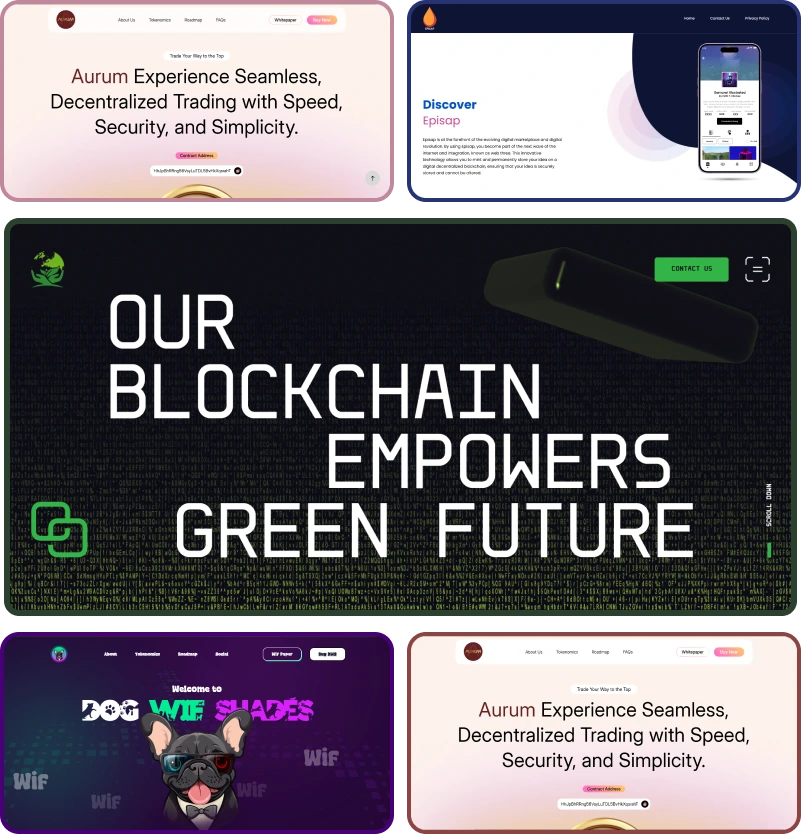
Explore selected Web30 India projects involving application maintenance, production support, modernization, performance improvement, cloud operations and continuous product development. Use the existing Global Case Studies component and include only verified projects with approved information and actual application or infrastructure visuals where available.
Explore practical insights on application maintenance, production support, monitoring, incident management, software modernization, security updates, performance optimization and continuous product improvement. Use the existing global Blogs / Insights component.
Everyone has very little or no knowledge about the Metaverse. What does it mean and how does it work? We might not...
Today, smart contracts are beneficial for companies. This in-depth guide goes into great detail about their unique...
Everyone must be aware of how important it is to have a website in order to make a mark in the IT business industry...
Welcome to the next gaming frontier, where virtual worlds collide with reality to create immersive experiences like...
DeFi is an innovative system that will fundamentally change global finance. In summary, DeFi is an open monetary sy...
Everyone has very little or no knowledge about the Metaverse. What does it mean and how does it work? We might not...
Today, smart contracts are beneficial for companies. This in-depth guide goes into great detail about their unique...
Everyone must be aware of how important it is to have a website in order to make a mark in the IT business industry...
Welcome to the next gaming frontier, where virtual worlds collide with reality to create immersive experiences like...
DeFi is an innovative system that will fundamentally change global finance. In summary, DeFi is an open monetary sy...
Everything you need to know about our enterprise blockchain engineering process, costs, security, and architectures.
Where connections are brewed, ideas percolate, and inspiration flows!
Let’s hear about your project. Drop us the details or send us a direct email
 24/7 Support