

10 Best Metaverse Crypto Projects To Watch Out For in 2023
Everyone has very little or no knowledge about the Metaverse. What does it mean and how does it work? We might not...

Build software that performs reliably across real users, devices, integrations and production conditions. Web30 India provides end-to-end QA and software testing services covering functional testing, test automation, API testing, performance, security, compatibility and release validation.




















Build Quality Into the Software Development Lifecycle
Quality is not something that should be checked only before a release. Effective QA starts with understanding requirements, identifying risk, designing the right test coverage and continuously validating the software as it evolves.
Web30 India combines manual testing, automation and specialized testing practices to evaluate software across functionality, integrations, performance, security, usability and compatibility.
Our approach is designed around the product's actual risks and user journeys. Automation is used where repeatability matters, while manual and exploratory testing provide the human judgment needed to uncover unexpected behavior and business-logic issues. This aligns with established software testing practices that treat testing as a structured activity across the software development lifecycle.
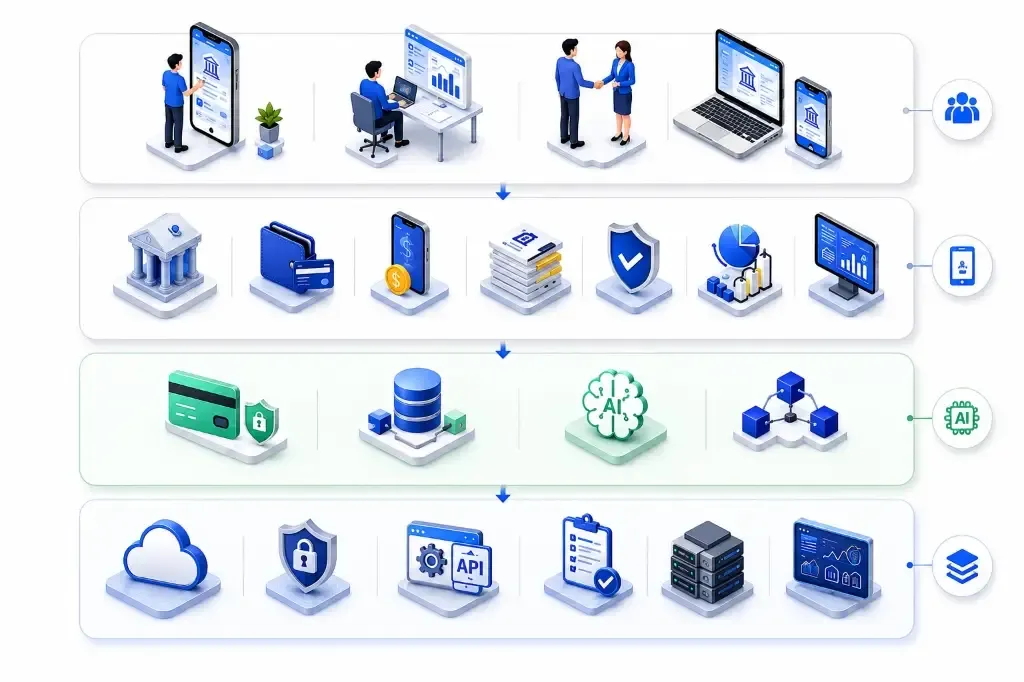
Structured and exploratory testing to validate functionality, business rules, user journeys and edge cases.
Build maintainable automated test suites for repeatable functional, regression and end-to-end validation.
Validate web applications across browsers, workflows, responsive layouts, integrations and real user scenarios.
Test iOS and Android applications across supported devices, operating system versions, permissions and device capabilities.
Validate API contracts, request and response behavior, authentication, data handling, error conditions and integration workflows.
Evaluate application behavior under expected and peak workloads through load, stress, spike and endurance testing.
Identify application, API and authentication weaknesses through structured security validation and vulnerability testing.
Protect existing functionality by continuously validating critical workflows after new changes and releases.
Validate features, workflows and business requirements against expected behavior.
Automate repeatable scenarios and critical user journeys to improve testing consistency and release feedback.
Test backend services independently from the user interface to identify integration and data-related issues early.
Understand how applications behave as traffic, concurrent users and transaction volumes increase.
Validate mobile applications across devices, operating systems, screen sizes, connectivity conditions and device features.
Assess application and API security controls and identify potential weaknesses that require remediation.
Validate applications across supported browsers, operating systems, devices, screen sizes and environments.
Evaluate whether users can navigate and interact with the application effectively, including accessibility considerations where required.
Requirements, acceptance criteria, business rules, risk areas and critical user journeys.
Test plans, test cases, test suites, test data, defect management and test reporting.
Functional, integration, regression, end-to-end and exploratory testing.
UI automation, API automation, regression suites, test frameworks and reusable test components.
Performance, scalability, security, compatibility, usability and accessibility validation.
Automated test execution, quality gates, build validation and release pipeline integration.
Defect trends, test coverage, execution status, release risk and quality reporting.
QA works best when testing is connected to development and release processes rather than performed as an isolated final activity. We can integrate appropriate automated and manual testing into development workflows and CI/CD pipelines.
Review requirements and acceptance criteria for ambiguity, missing scenarios and testability.
aValidate application behavior against business requirements and expected user journeys.
Automate stable, repeatable and high-value scenarios that benefit from continuous execution.
Validate APIs, external services, databases and connected systems.
Evaluate performance, security, compatibility, usability and other relevant quality characteristics.
Consolidate test results, outstanding defects and known risks to support informed release decisions.
Record, prioritize, reproduce, retest and close defects through a structured workflow.
Maintain test results, screenshots, logs, execution records and other evidence required for traceability.
Maintain critical regression suites to reduce the risk of previously resolved issues returning.
Understand business requirements, user journeys, acceptance criteria and technical dependencies.
Define testing scope, priorities, environments, test levels, tools and risk-based coverage.
Create test scenarios, test cases, test data and automation plans around critical workflows.
Execute manual, automated and specialized tests across the agreed application scope.
Document issues with clear reproduction steps, evidence, severity and business impact.
Validate fixes and execute regression coverage to ensure changes have not affected existing functionality.
Review test results, unresolved defects, coverage and known risks against release criteria.
Support release readiness and continue testing as the product evolves through subsequent development cycles.

GitHub, GitLab, Bitbucket and source repositories.

GitHub Actions, GitLab CI/CD, Jenkins, Azure DevOps and other delivery pipelines.

Jira, TestRail, Zephyr and other test and defect management platforms.

Postman, REST Assured, Karate and API testing environments.

JMeter, k6, Gatling and other performance testing tools.

Dashboards, issue tracking, test reports, notifications and engineering collaboration platforms.
Understand the application, users, business workflows, architecture and areas where failures could have the greatest impact.
Define testing levels, test types, environments, priorities and coverage based on product risk.
Prepare test scenarios, test cases, data requirements and automation strategy.
Execute functional, regression, exploratory, integration and automated tests according to the agreed coverage.
Perform API, performance, security, compatibility or mobile testing where required.
Track issues through resolution and verify fixes with appropriate regression coverage.
Review test results, unresolved risks and quality criteria before release.
Analyze recurring defects, improve automation coverage and refine testing practices as the product evolves.

Identify issues closer to the point where they are introduced, reducing the risk of late-stage surprises.
Give product and engineering teams clearer evidence about application quality before release.
Automate critical scenarios that need to be validated repeatedly as the application changes.
Test critical workflows, integrations and failure scenarios before they reach real users.
Use testing insights to identify recurring quality problems and areas requiring engineering attention.
Integrate testing into development and CI/CD workflows so teams receive useful feedback earlier.
Our blockchain development services have revolutionized industries by offering secure, decentralized solutions that enhance transparency, eliminate intermediaries, and boost operational efficiency.
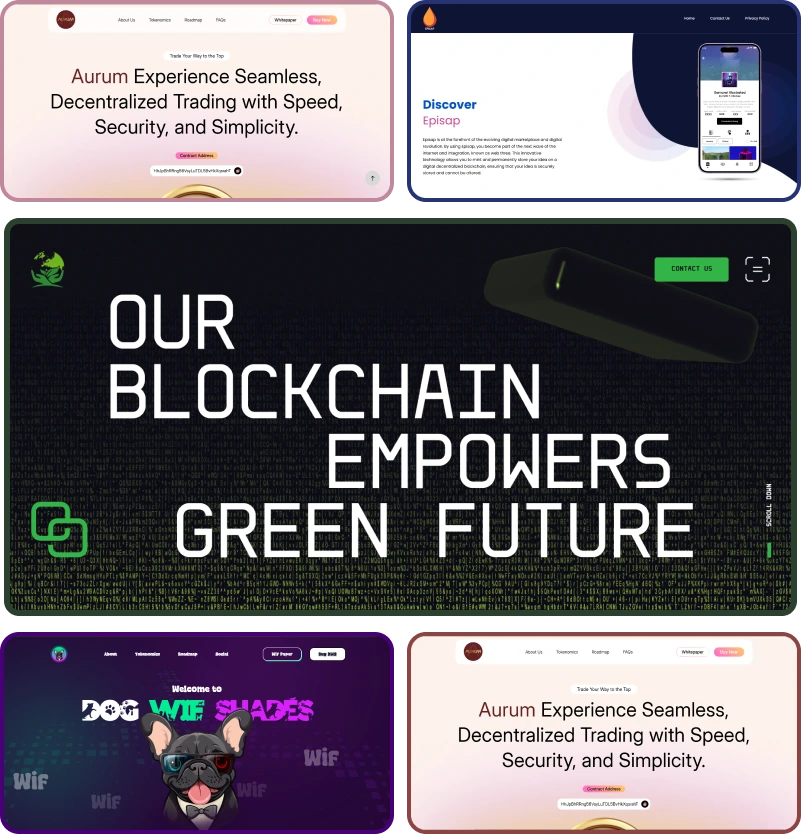
Explore selected Web30 India projects involving application testing, automation, mobile testing, API validation, performance engineering and quality assurance. Use the existing Global Case Studies component and include only verified projects with approved project information, screenshots and measurable outcomes where available.
Explore practical insights on test automation, software quality, API testing, mobile testing, performance engineering, application security, CI/CD quality gates and modern quality engineering. Use the existing global Blogs / Insights component.
Everyone has very little or no knowledge about the Metaverse. What does it mean and how does it work? We might not...
Today, smart contracts are beneficial for companies. This in-depth guide goes into great detail about their unique...
Everyone must be aware of how important it is to have a website in order to make a mark in the IT business industry...
Welcome to the next gaming frontier, where virtual worlds collide with reality to create immersive experiences like...
DeFi is an innovative system that will fundamentally change global finance. In summary, DeFi is an open monetary sy...
Everyone has very little or no knowledge about the Metaverse. What does it mean and how does it work? We might not...
Today, smart contracts are beneficial for companies. This in-depth guide goes into great detail about their unique...
Everyone must be aware of how important it is to have a website in order to make a mark in the IT business industry...
Welcome to the next gaming frontier, where virtual worlds collide with reality to create immersive experiences like...
DeFi is an innovative system that will fundamentally change global finance. In summary, DeFi is an open monetary sy...
Everything you need to know about our enterprise blockchain engineering process, costs, security, and architectures.
Where connections are brewed, ideas percolate, and inspiration flows!
Let’s hear about your project. Drop us the details or send us a direct email
 24/7 Support