
10 Best Metaverse Crypto Projects To Watch Out For in 2023
Everyone has very little or no knowledge about the Metaverse. What does it mean and how does it work? We might not...

Build digital governance systems that connect citizens, government departments, public services, data and administrative processes through secure and accountable technology.
Web30 India helps governments, public institutions, municipalities, public-sector organizations and GovTech initiatives build citizen-facing platforms, administrative systems, digital public infrastructure, data platforms and AI-enabled governance solutions.





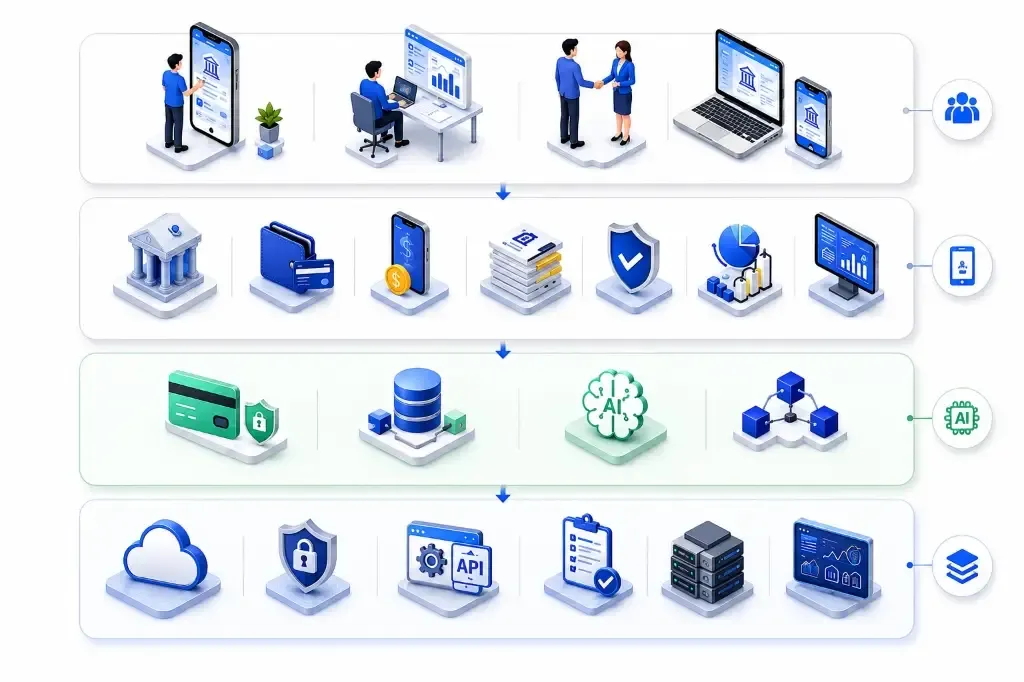
Government operations span departments, agencies, public institutions, citizens, businesses and service providers. Each part of this ecosystem generates information and depends on processes that often cross organizational boundaries.
When applications, records and departmental systems remain disconnected, citizens may need to repeat information, administrators have limited visibility and public programs become harder to monitor.
We build technology that creates connected digital government experiences. This can include citizen service portals, department management platforms, digital identity and verification systems, public data platforms, workflow automation, case management, analytics and AI-powered administrative tools.
The OECD's current digital government work highlights the need to move beyond isolated digital initiatives toward integrated, user-driven and proactive government systems, supported by stronger data governance and digital public infrastructure.
Departments and agencies may operate separate applications, databases and workflows, making information sharing and coordinated service delivery difficult.
Citizens often interact with multiple departments to access services, submit documents, track applications and resolve issues.
Government data is distributed across departments and systems, limiting the ability to create a complete view of programs, services and public needs.
Paper-based processes, repetitive data entry, approvals and document handling can consume significant administrative effort.
Public institutions need reliable records, traceable workflows and reporting mechanisms that support oversight and accountability.
Older applications and infrastructure can make integration, modernization, security improvements and new digital services harder to implement.
Build digital portals for applications, requests, payments, certificates, registrations, complaints and service tracking.
Develop platforms for departmental workflows, case management, approvals, records, programs and administrative operations.
Build interoperable technology layers around identity, payments, data exchange, registries and shared government services.
Connect data across departments to support dashboards, reporting, program monitoring, operational intelligence and policy analysis.
Develop AI applications for document processing, citizen support, knowledge access, case analysis, service routing and administrative workflows.
Build systems for identity verification, authentication, credentials, document verification and controlled access to public services.
Connect existing government applications, databases, registries, payment systems, identity services and external platforms through secure integration layers.
Government institutions define policies, programs, eligibility criteria, service models and operational requirements.
Citizens and businesses discover available services and access them through digital channels.
Applications, registrations, documents and eligibility information are submitted through connected workflows.
Government systems validate information, coordinate departments and route applications through the appropriate processes.
Approvals, benefits, certificates, permits or other public services are delivered through structured workflows.
Departments monitor service delivery, program performance, cases, resources and operational outcomes.
Data and public feedback are used to evaluate programs, identify gaps and improve future policies and services.

Create a unified digital interface for government services, applications, documents, payments, notifications and service tracking.
Manage citizen cases, departmental workflows, assignments, approvals, documentation, escalations and resolution tracking.
Support identity verification, authentication, credentials and secure access to government services.
Bring information from multiple departments together for dashboards, reporting, monitoring and decision support.
Manage complaints, requests, routing, departmental actions, escalation, resolution and citizen communication.
Digitize government records, documents, approvals, verification workflows and controlled information access.
Track government programs, beneficiaries, activities, funding, milestones, service delivery and performance indicators.







Government platforms handle identity information, public records, applications, financial information and sensitive administrative data. Security must therefore be designed across the complete technology stack, from citizen authentication to infrastructure and monitoring.
Authentication, role-based access, digital identity and permissions for citizens, officials, administrators and partner organizations.
Protect citizen portals, departmental applications, case management systems and administrative platforms.
Secure communication between departments, registries, databases, identity services, payment systems and external platforms.
Protect citizen information, government records, applications, documents, analytics data and administrative information.
Secure cloud environments, databases, networks, storage, application infrastructure and connected services.
Support audit logs, security monitoring, alerts, incident visibility and traceability across government applications.
Control access for citizens, government employees, administrators, agencies and authorized partners.
Protect personal information and sensitive data throughout collection, processing, storage and exchange.
Secure public-facing applications and the integrations connecting government systems.
Protect official records, applications, certificates, documents and administrative information from unauthorized access or modification.
Protect digital applications, approvals, payments, service requests and other government transactions.
Maintain appropriate logs, records and controls to support oversight, accountability and applicable regulatory requirements.
Connect citizen, business, land, property, vehicle, licensing and other authorized government records.
Integrate authentication, identity verification, credentials and access management services.
Connect government payment gateways, treasury systems, financial platforms, fee collection and benefit-related payment infrastructure.
Integrate ERP, HR, procurement, case management and other departmental applications.
Connect SMS, email, messaging, alerts and citizen communication services.
Integrate geospatial systems, public datasets, dashboards, mapping services and data exchange platforms.
Use this section for verified Web30 India projects involving government, public-sector organizations, municipalities, digital public infrastructure, citizen services, blockchain-based public records or governance platforms.
Build digital platforms for applications, certificates, registrations, permits, payments and service requests.
Support municipal services including property, licensing, grievances, public works, local payments and citizen engagement.
Manage beneficiary registration, eligibility, program delivery, documentation, monitoring and reporting.
Digitize property records, ownership information, applications, verification, transfers and related workflows.
Support tax, fees, collections, financial workflows, reporting and public-sector financial administration.
Manage licenses, registrations, inspections, approvals, renewals, compliance workflows and regulatory records.
Connect data and workflows around infrastructure projects, utilities, assets, service requests and operational monitoring.
Create conversational interfaces that help citizens find government services, understand requirements and navigate administrative processes.
Extract, classify and validate information from applications, forms, certificates and administrative documents.
Build searchable knowledge systems that help authorized officials access policies, regulations, procedures and institutional information.
Combine information from authorized government systems to create operational dashboards, trend analysis and decision-support workflows.
Track program activity, service delivery, applications and operational indicators to identify delays, gaps or emerging issues.
Use rules and AI-assisted classification to route applications, complaints, requests and cases to appropriate departments or officials.
Analyze authorized transaction and operational data to identify unusual patterns that may require further review.
Use historical and current data to support demand forecasting, resource planning, infrastructure planning and proactive service delivery. AI adoption in government is increasingly being discussed alongside data governance, public-sector capability, security, privacy and responsible deployment rather than as a standalone technology layer. The OECD's 2026 Digital Government Outlook specifically highlights the gap between AI advancement and the trust mechanisms needed to govern it.
Explore practical insights on GovTech, digital government, citizen experience, digital public infrastructure, government data platforms, AI in governance, digital identity, public-sector modernization and secure government technology.
Everyone has very little or no knowledge about the Metaverse. What does it mean and how does it work? We might not...
Today, smart contracts are beneficial for companies. This in-depth guide goes into great detail about their unique...
Everyone must be aware of how important it is to have a website in order to make a mark in the IT business industry...
Welcome to the next gaming frontier, where virtual worlds collide with reality to create immersive experiences like...
DeFi is an innovative system that will fundamentally change global finance. In summary, DeFi is an open monetary sy...
Everyone has very little or no knowledge about the Metaverse. What does it mean and how does it work? We might not...
Today, smart contracts are beneficial for companies. This in-depth guide goes into great detail about their unique...
Everyone must be aware of how important it is to have a website in order to make a mark in the IT business industry...
Welcome to the next gaming frontier, where virtual worlds collide with reality to create immersive experiences like...
DeFi is an innovative system that will fundamentally change global finance. In summary, DeFi is an open monetary sy...
Everything you need to know about our enterprise blockchain engineering process, costs, security, and architectures.
Where connections are brewed, ideas percolate, and inspiration flows!
Let’s hear about your project. Drop us the details or send us a direct email
 24/7 Support